

.png)




How Building Monarch Waystations Can Help Save a Declining Monarch Population
- Apr 11, 2025
- 2 min read

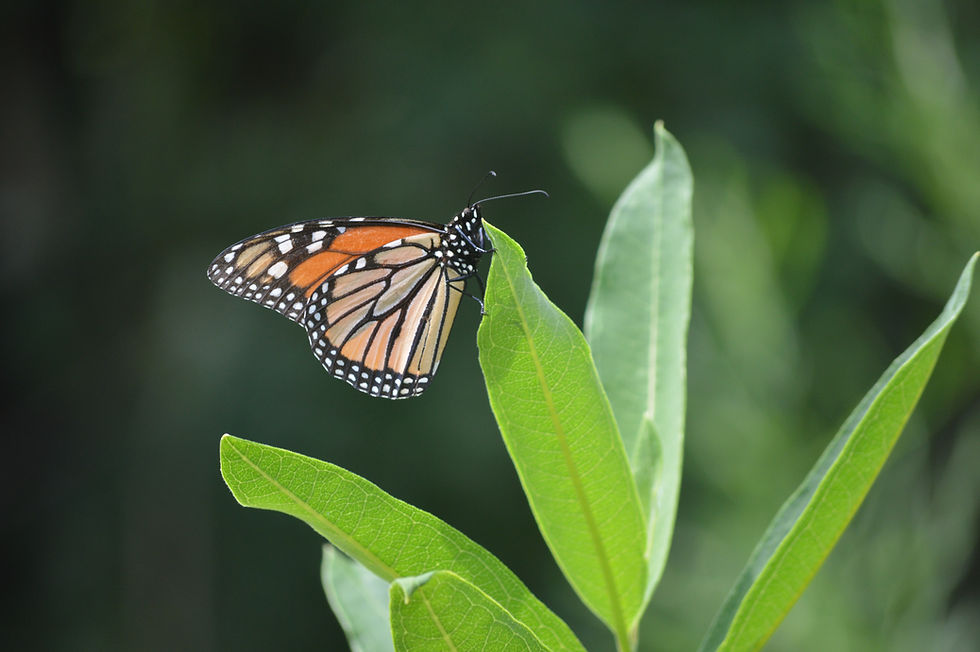
Monarch butterflies are a cherished symbol of North America, with their striking orange and black wings capturing the hearts of many. Yet, alarming trends in 2024 show a rapid decline in their population. This decline not only threatens the survival of these beautiful creatures but also poses a risk to our environment. By creating monarch waystations, we can take meaningful steps to support this vital pollinator and help bring their numbers back.
The Importance of Saving Monarch Butterflies
Monarch butterflies are more than just a pretty sight; they play a key role in pollination, essential for the growth of many plants that wildlife and humans depend on. For example, about 30% of the food crops in the United States depend on pollination. The decline of monarchs can disrupt these crucial food sources, impacting everything from fruits to vegetables. The health of our ecosystems depends significantly on these butterflies, as their presence indicates a robust environment.
Understanding the Population Decline
The statistics surrounding monarch butterflies are concerning. Data from 2024 reveals that their overwintering populations in Mexico have plummeted by over 75% in recent years. This alarming decrease is largely due to the destruction of milkweed, their only host plant. Without milkweed, monarch caterpillars have no place to grow and thrive. Immediate conservation actions are necessary; otherwise, we risk losing these beautiful butterflies for good.

Planting Milkweed: The Key to Survival
One of the most effective ways to help monarchs is by planting milkweed. This native plant serves as a crucial habitat for monarch eggs and caterpillars, ensuring their life cycle continues. Planting milkweed is straightforward: you don’t need a large garden—containers on a balcony work too! Consider investing in local varieties such as Common Milkweed or Swamp Milkweed, available at many nurseries. These plants thrive in various conditions and can substantially boost monarch populations.
The Role of Water in Conservation
Water is another essential resource for monarchs. Butterflies require hydration to support their daily activities. A simple water feature, such as a shallow dish filled with stones, can provide access to moisture. Placing several of these within your garden not only aids monarchs but benefits other pollinators like bees and hummingbirds. Ensuring a consistent water supply can significantly enhance your waystation’s habitat.

Building a Monarch Habitat
Creating a butterfly-friendly environment extends beyond just planting milkweed. It’s essential to include a variety of nectar-producing flowers that attract adult butterflies. Plants like Lantana, Coneflower, and Aster can provide nourishment and draw in a wide range of pollinators. Additionally, incorporating native shrubs or trees can offer shelter for butterflies to rest and evade predators. Designing a habitat that resembles their natural environment maximizes your efforts and creates a sanctuary for these magnificent insects.

Taking Action Now
The situation facing monarch butterflies is urgent. By establishing a monarch waystation, individuals can contribute significantly to reversing their decline. Simple actions, including planting milkweed, providing water sources, and creating diverse plant life, can profoundly impact their survival.
As we foster these habitats, we not only support monarchs but also promote a healthier ecosystem for all species. Let’s take this opportunity to act decisively, ensuring a brighter future for the remarkable monarch butterfly.


Comments