

.png)




The Hidden Harm: Pesticides in Our Neighborhoods
- May 3, 2025
- 3 min read
Updated: May 6, 2025
Creating a thriving neighborhood ecosystem begins with mindful choices. While pesticides may seem like a quick fix for unwanted pests, they can have long-lasting impacts on our shared environment. These chemicals often harm more than just their targets—putting bees, birds, pets, and humans at risk. Pesticides can seep into soil and water, disrupt native plant growth, and threaten the balance of local wildlife habitats.
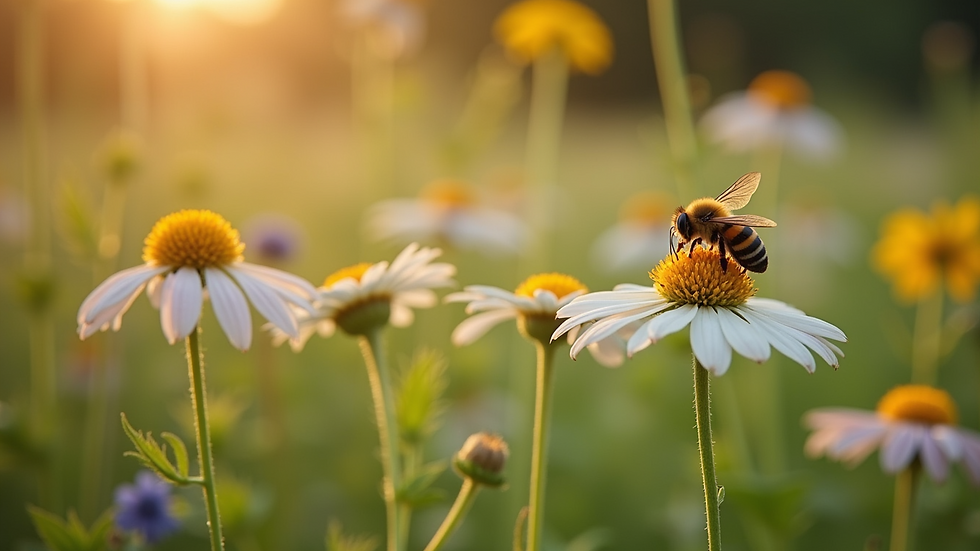
When applying pesticides in areas within a few miles of beekeeping operations in the neighborhood, please think twice of the deadly impacts it will have on the honeybee colony. Honeybees can forage up to 5 miles from their hives in search of nectar and pollen. This wide range means that even pesticides used several miles away can directly impact local bee populations. According to the US Environmental Protection Agency (EPA), certain pesticides—particularly neonicotinoids and pyrethroids—are highly toxic to bees, even in small amounts.
Across the U.S., over 1 billion pounds of pesticides are used annually, many of which harm pollinators, contaminate water sources, and degrade soil health. Studies show that more than 40% of insect species are declining, with pesticide use cited as a leading cause. The USDA reports that honeybee colonies have been declining at an alarming rate, with beekeepers in the U.S. losing an average of 30-40% of their colonies annually over the past decade, and pesticide exposure is a significant contributing factor. Studies have shown that pesticide exposure decreases bird populations by over 10% in some areas. This chemical use can have far-reaching consequences, not only poisoning plants and animals but also endangering human health.
Environmental Impact
Water contamination: Pesticides can seep into groundwater or run off into rivers and lakes, harming aquatic life and contaminating drinking water.
Soil degradation: Some pesticides reduce soil fertility by killing beneficial microorganisms.
Air pollution: Spraying can lead to pesticide drift, contaminating nearby areas and exposing non-target organisms and people.
Impact on Wildlife and Ecosystems
Pollinator decline: Bees and other pollinators are highly susceptible to certain pesticides (e.g., neonicotinoids), leading to population decline.
Bioaccumulation and biomagnification: Some pesticides accumulate in the bodies of animals and increase in concentration up the food chain, affecting predators and even humans.
Non-target species harm: Pesticides may kill insects, birds, or animals not intended to be controlled, disrupting ecological balance.

Embracing a Chemical-Free Approach
Adopting a chemical-free gardening or yard keeping philosophy demonstrates our commitment to environmental health. Initiatives like Trace Space KY showcase the positive impacts of organic practices. Through chemical-free gardening, native and companion planting, we not only nurture the earth but also create habitats that support vulnerable species, like the Monarch butterfly, which has seen a 90% decline in populations due to habitat loss and pesticide use. By cultivating our gardens without harmful substances, we foster a love for nature and promote the growth of essential wildlife.
The Role of Community
Neighbors play a critical role in building sustainable ecosystems. By working together and sharing resources, communities can establish better environments for wildlife and residents. Organizing community gardening events can build stronger bonds among neighbors while promoting biodiversity. For instance, in Louisville, KY, community-led native planting events have increased local bird species by over 30% in participating neighborhoods. When we collaborate, we enhance our shared mission to protect natural resources and create thriving habitats for all living beings.
Leaving a Lasting Legacy
The health of our environment—and our neighborhoods—depends on the decisions we make each day. We have a responsibility to care for our environment. By making the conscious choice to avoid harmful chemicals and planting native species, we can help restore habitats, protect biodiversity, and support the pollinators that sustain our food systems, especially when there is a beekeeper within miles we happily see tending to our gardens. Every household that makes a better choice strengthens the whole.
Caring for our environment is a reflection of our love for the Earth. By understanding the crucial role of wildlife habitats and native plants, we can build ecosystems that benefit everyone. Stepping away from harmful chemicals safeguards our environment from toxicity and preserves it for generations to come.
“The truth is: the natural world is changing. And we are totally dependent on that world. It provides our food, water, and air. It is the most precious thing we have and we need to defend it.” -David Attenborough
An easy step: defend it by simply not using pesticides.


Comments